Ultimate Guide to Twisted Roblox: Pro Storm Chasing Tips
Master storm chasing in Twisted Roblox with our expert guide. Discover top strategies, vehicle loadouts, and tips to survive the deadliest tornadoes.
Published:
Table of Contents
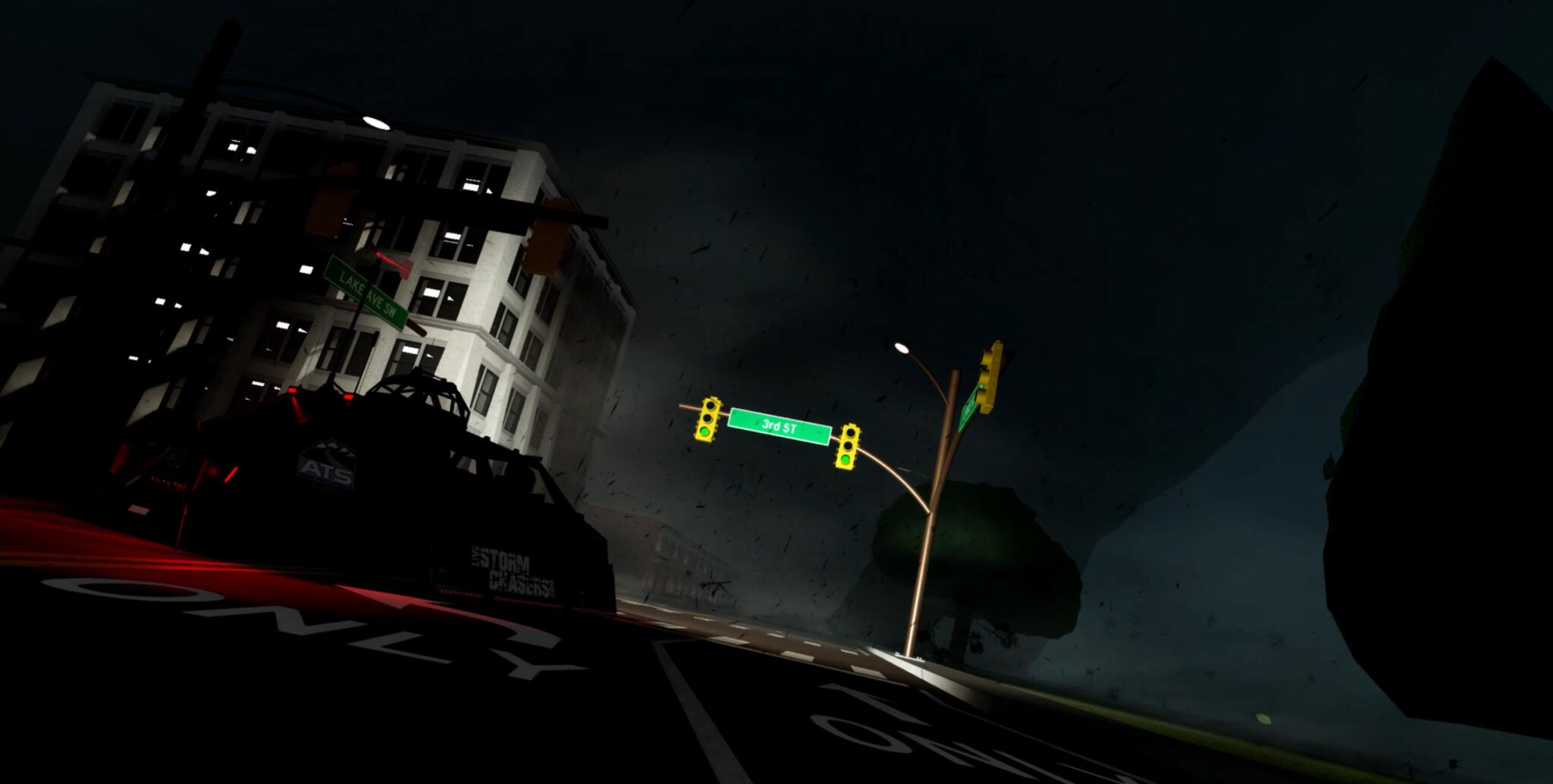
Storm chasing is more than just a game; it is an adrenaline-fueled science, and nowhere is that more apparent than in Twisted Roblox. If you have ever wondered what it takes to intercept a massive wedge tornado while keeping your sensors intact, you have come to the right place.
Understanding how to dominate the weather in Twisted Roblox is essential for any player looking to climb the ranks of top chasers. Whether you are a newcomer starting in the fictional state of Keysota or a veteran looking to improve your intercept success rate, this guide provides the tactical knowledge needed to succeed.
Understanding the Mechanics of Storm Chasing
In this simulation, players navigate a dynamic environment where weather patterns shift with startling realism. Success depends on your ability to read the atmosphere and position your vehicle perfectly.
Developers Willzuh and Siryzm have created a world where meteorological data matters. You are not just driving; you are analyzing wind shear, CAPE values, and storm motion. According to official game information, the game challenges players to balance the thrill of the chase with the risk of destruction.
Core Gameplay Loop
Monitoring: Keep a close eye on your radar to track hook echoes and rotation.
Positioning: Use your vehicle to get ahead of the storm's path, not directly in it.
Deployment: Deploy probes at the right moment to collect valuable data.
Extraction: Recover your equipment before the debris field reaches your position.
Choosing Your Interceptor Vehicle
Your vehicle is your lifeline. Choosing the right interceptor can mean the difference between a successful data collection mission and a totaled car. Many community members recommend starting with versatile models before moving to specialized tanks like the Dominator 2.
Comparison of Popular Interceptor Classes
Vehicle Variant
Key Feature
Best Used For
Dominator 2 (Base)
High stability
All-around chasing
Dominator 2 (Lightning)
Iconic design/Speed
High-speed intercepts
TF2 2024 Model
Heavy armor
Direct core intercepts
IMAX Turret Model
Sensor precision
Data collection missions
[!TIP]
Choosing the right interceptor
Always prioritize stability and armor over raw speed. While reaching the storm quickly is important, surviving the debris field is what keeps your streak alive.
Advanced Tactics for Successful Intercepts
Successful intercepting is an art form. Experienced players often highlight the importance of "patience" in their reports. Diving into a storm before it has fully matured is the most common reason for failure.
The "Patient Chaser" Strategy
According to community reports, many players make the mistake of rushing toward the first sign of rotation. Instead, wait for the mesocyclone to intensify. Look for "pink TVS" status on your radar, which indicates extreme rotation, but ensure you have an exit route planned before getting too close.
Pro Tips for Deployment
Proximity is Key: Place your probes just in front of the storm's path.
Watch the UI: Ensure your probe interface is active before attempting to deploy.
Avoid Glitches: If your UI fails to pop up, try respawning your vehicle rather than forcing a glitched placement.
Check Road Types: Paved roads allow for faster escapes than mud-heavy dirt roads, which can leave you stranded in the debris path.
Managing Risks and Server Environments
Not all servers are created equal. The thermodynamic environment of a server—characterized by SRH (Storm Relative Helicity) and CAPE (Convective Available Potential Energy)—dictates how intense the storms will be.
Server selection guide
High CAPE servers generally produce more violent tornadoes. If you are struggling to survive, look for lower-risk days to practice your intercept maneuvers without the pressure of an EF5 monster.
Impact of Environmental Variables
Variable
High Value Impact
Low Value Impact
CAPE
Explosive storm growth
Weak/Single-cell storms
SRH
Increased rotational potential
Minimal tornado threat
Storm Motion
Fast-moving, harder to track
Slow-moving, easier to intercept
Common Mistakes to Avoid
Even the most skilled chasers in the Twisted Roblox community fall into traps. The most frequent error is neglecting the "hunted" aspect of the game. When a tornado shifts direction unexpectedly, panic often sets in.
Ignoring Radar Updates: Never assume a storm will keep traveling in a straight line; use the radar consistently.
Poor Positioning: Parking inside the core without an escape route is a guaranteed way to lose your vehicle.
Over-committing: If a tornado develops into a massive wedge, it may be time to pull back to a safe observation distance rather than risking a close-range intercept.
Frequently Asked Questions
What is the best vehicle for beginners in Twisted Roblox?
The base Dominator 2 or similar early-game interceptors are perfect for learning the ropes. They provide a balance of decent speed and enough weight to avoid being tossed by mid-level tornadoes while you master your driving skills.
How do I get better at intercepting tornadoes?
Patience is your best tool. According to community experience, waiting for a storm to reach "pink TVS" intensity while scouting local road conditions is the best way to ensure a successful data-gathering run.
Why do my probes keep glitching?
Probe glitches often occur due to lag or trying to deploy in unstable terrain. Try to deploy on flat, paved surfaces and ensure your UI has fully loaded before clicking. If it persists, respawning your vehicle often fixes the interface issue.
Is Twisted Roblox suitable for low-end devices?
As noted in the game's own settings, the experience is highly detailed and requires a decent device to run smoothly. If you experience excessive lagging, try turning down your graphics settings to keep your vehicle's movement consistent during high-intensity chases.