Twisted 100 Million Cape Guide: Mastering Extreme Storms
Discover how to navigate the Twisted 100 Million Cape event in Roblox. Learn expert storm-chasing strategies, radar tips, and survival tactics for EF5 tornadoes.
Published:
Table of Contents
The virtual storm-chasing community in Roblox was recently sent into a frenzy with the arrival of the massive Twisted 100 Million Cape update. As the platform celebrates this significant milestone, players are facing some of the most violent weather conditions ever simulated in the game, requiring high-level coordination and specialized gear.
Understanding the mechanics behind the Twisted 100 Million Cape event is essential for any serious chaser aiming to document these record-breaking storms. Whether you are a veteran of the plains or a newcomer trying to survive your first multi-vortex wedge, mastering the timing and positioning required for these events is the key to both survival and success.
Understanding the Mechanics of 100 Million Cape Storms
The Twisted 100 Million Cape update is not just a cosmetic milestone; it introduces intensified thermodynamics that drive much more aggressive storm development. In these sessions, tornadoes are no longer predictable single-funnel events. Instead, players are encountering massive, long-track EF5 monsters capable of obliterating everything in their path.
According to community reports, the primary challenge of this event is the erratic nature of the sub-vortices. These smaller, high-velocity circulations rotate within the main funnel, often catching players off guard even when they believe they are at a safe distance.
Key Meteorological Features of the Event
Feature
Impact on Gameplay
Multi-vortex structure
Requires extra distance from the tornado core
Rapid intensification
Tornadoes can go from wall cloud to wedge in seconds
Extreme wind speeds
Frequently exceeds 300 mph, fatal for most vehicles
Debris fallout
High risk of flying debris hitting vehicles miles ahead
Essential Gear and Preparation Strategies
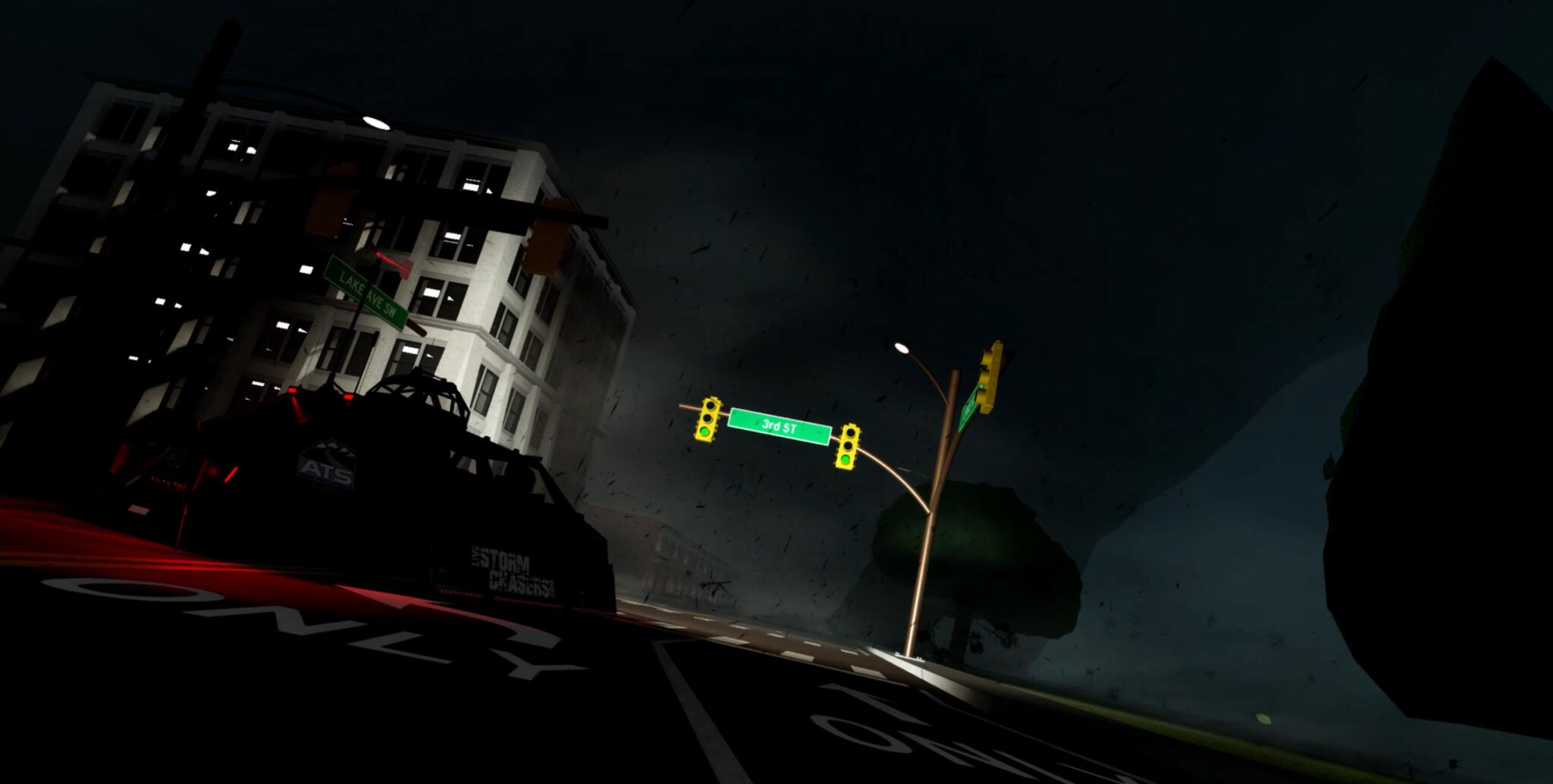
To succeed during the 100 Million Cape event, your choice of vehicle is paramount. Players consistently rely on the "Wind Breaker" and "DOW" (Doppler on Wheels) trucks to gather data. However, as noted in recent gameplay highlights, even the most robust vehicles are susceptible to being lofted into the air if you get too close to the primary vortex.
Recommended Loadout for Storm Interception
Mobile Radar (DOW): Critical for identifying velocity signatures before the condensation funnel is visible.
Probes: Use these to capture ground-level wind speeds. Always deploy them before the tornado enters your immediate sector.
Emergency Interceptor: A backup, heavy-duty vehicle for rapid egress when the storm shifts unexpectedly.
Vehicle Repair Checklist
Always verify your suspension, wheels, and body integrity before launching into a high-intensity chase. During the 100 Million Cape event, a damaged vehicle will almost certainly lead to a respawn when the inflow jet accelerates.
Expert Positioning and Interception Tactics
Successfully intercepting a storm during this event requires playing "two roads ahead." Because these tornadoes often make hard shifts—sometimes turning due north or east without warning—trailing directly behind them is a recipe for disaster.
Community veterans suggest that you should use your radar to look for the "pink TVS" (Tornado Vortex Signature) markers. When you see the radar shift from yellow to pink, it is an immediate indicator of a violent, intensifying tornado. At this point, stop trying to get closer for the perfect shot and instead focus on setting up a secondary intercept point further along the projected path.
Interception Phase Breakdown
Detection: Use the DOW to switch to velocity mode; look for incoming debris signatures.
Tracking: Monitor the hook echo wrapping around the main storm base.
Deployment: Find an intersection that allows for a quick exit; avoid dead ends.
Data Collection: Deploy your probe, scan, and prepare to move immediately after the wind field passes.
Surviving the "Wedge" Phenomenon
The most intense moments of the Twisted 100 Million Cape event involve the transition of a cone tornado into a massive "wedge." These storms can span miles, making traditional escape routes obsolete. If you find yourself in the middle of town (such as Wadena or Elmore) when an EF5 wedge hits, your survival odds plummet.
Players who have survived these encounters emphasize that the safest place is often the "inflow" side, provided you are well outside the circulation. However, if you are caught, stay mobile. Being stationary increases the chance of your vehicle being lofted. Always keep an eye on your wind speed gauges; once you cross the 250 mph threshold, you are essentially at the mercy of the wind field.
Survival Statistics from Community Intercepts
Wind Speed Range
Impact Severity
Survival Status
100–150 mph
Minor damage to vehicles
High
150–200 mph
Moderate lofting risk
Medium
200–275 mph
Extreme structural damage
Low
300+ mph
Near-certain destruction
Very Low
Community-Driven Tips for Advanced Chasing
Many players discuss their strategies on platforms like the Twisted Roblox Wiki. One of the most common mistakes is "chaser convergence," where too many vehicles cluster on a single road. This leads to pile-ups that make it impossible to escape when the tornado shifts.
Communication: Coordinate with your team. If you have a DOW operator, keep them in the scanning seat while you focus on driving.
Avoid Main Highways: During mass events, main roads become traffic nightmares. Use the dirt roads to maintain flexibility.
The "Slingshot" Effect: Be aware that the inflow into a wedge tornado can pull your vehicle into the core unexpectedly. Use this to your advantage to move, but be prepared to bail if you get too close to the sub-vortices.
Frequently Asked Questions (FAQ)
Q: How do I identify a 100 Million Cape storm on radar?
A: Look for rapidly developing velocity couplets that turn from yellow to pink TVS on your DOW radar. These indicate the storm has reached a violent state.
Q: Is it possible to survive inside an EF5 tornado during this event?
A: While rare, some players have survived by staying on the outer edge of the wind field, though most vehicles will be destroyed instantly once winds exceed 300 mph.
Q: What is the best vehicle for this event?
A: Experienced players prefer the DOW for data scanning and the Wind Breaker 2 for its durability during close-range interceptions.
Q: Why does my vehicle keep flipping over?
A: This usually happens when you get too close to a sub-vortex. Always maintain a buffer distance from the main funnel, especially when you see multi-vortex structures forming.