How to Survive Twisted Twin Tornadoes in Roblox Twisted Game
Learn how to master extreme weather in Roblox Twisted. Discover tips for intercepting twisted twin tornadoes, maximizing data collection, and staying safe.
Published:
Table of Contents
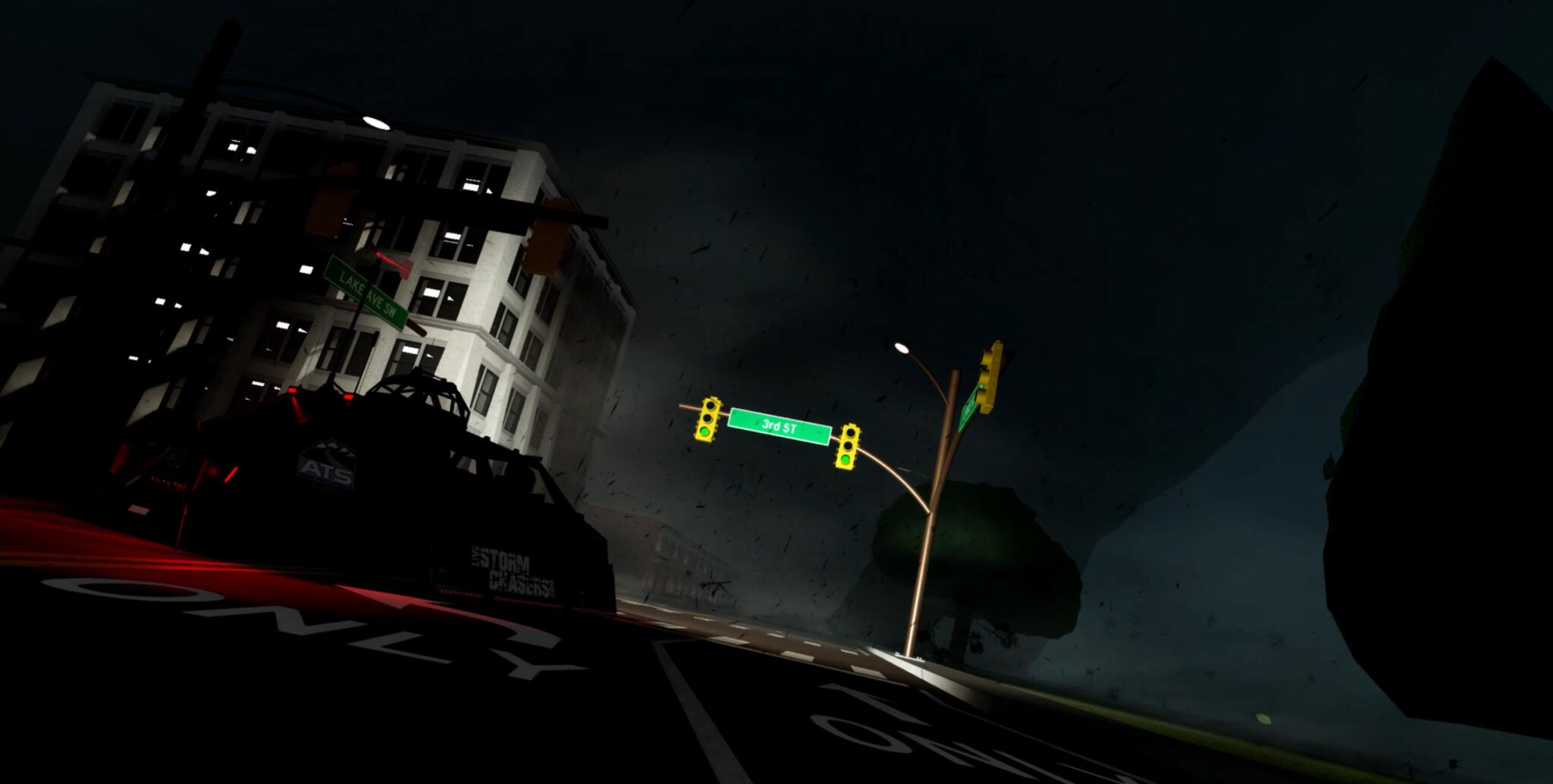
When the sky turns a menacing shade of green and the siren wails across the map, seasoned chasers in the Roblox Twisted game know that the ultimate challenge has arrived. Witnessing twisted twin tornadoes—two massive, violent vortices tearing through the landscape simultaneously—is the peak experience for any storm chaser, offering both high-stakes thrills and massive data potential.
Understanding how these phenomena behave is critical for your survival and success. Whether you are a novice scout or a veteran interceptor, knowing how to handle twisted twin tornadoes can mean the difference between a legendary data capture and becoming another piece of flying debris. In this guide, we dive into the mechanics of these events and the best strategies to dominate them.
The Anatomy of a Dual-Tornado Event
In the world of Roblox Twisted, severe weather is modeled after real-life atmospheric conditions, albeit with a focus on high-octane gameplay. Twin tornadoes often emerge from a single supercell, creating complex wind fields that make navigation notoriously difficult.
Unlike a single-vortex storm, twin tornadoes create a wider "damage path" that can catch unsuspecting players off guard. According to community reports, these events are particularly frequent during "Infinite High-Risk" weekends, where high CAPE (Convective Available Potential Energy) values set the stage for extreme tornadogenesis.
Key Factors for Twin Storm Development
Factor
Impact on Gameplay
High CAPE
Increases storm intensity and size.
Wind Shear
Causes rotation and potential for multiple funnels.
Surface RH
Higher values often lead to faster storm development.
Storm Motion
Determines how fast you need to maneuver your intercept vehicle.
Choosing the Right Interceptor Vehicle
If you plan to get within range of twisted twin tornadoes, your vehicle choice is your most important equipment. Not all trucks are built for the intensity of a wedge-sized tornado. Some veterans prefer heavy-duty rigs for stability, while others trade armor for speed.
Players often debate the efficiency of specific models. For instance, while some vehicles offer better protection, their deployment time—the window required to lower probes and stabilize—can be a lethal weakness. Always prioritize vehicles with shorter deployment times to avoid being caught moving during a sudden wind shift.
Interceptor Performance Comparison
Vehicle
Deployment Time
Stability
Best Use Case
Standard Probe Truck
Fast
Low
Quick data drops
TIV (Tornado Intercept)
Moderate
High
Sustained in-funnel data
Heavy Armored Rig
Slow
Very High
Extreme wedge intercept
Dorothy
Very Slow
Low
Advanced high-risk chase
Tactical Positioning: The "Intercept" Mindset
To successfully capture data during a twisted twin tornadoes event, you cannot simply drive blindly into the funnel. The best chasers use radar to predict the path of each funnel separately. Because these storms can merge, split, or recycle, you must maintain a buffer zone.
Community experts suggest staying on the "inflow" side of the storm whenever possible. If you find yourself directly in the path of a wedge tornado, the sheer size of the debris field will likely destroy your vehicle before you can deploy your probes.
Essential Steps for a Successful Intercept
Monitor Radar: Always keep your radar interface active to identify the couplet locations.
Plan Your Escape Route: Before you stop to deploy, identify two clear roads leading east or south.
Deploy Early: If your vehicle has a slow deployment time (like the Dorothy), start the process at least 30 seconds before you reach the core.
Watch for Recycles: Be aware that a new funnel can form as the old one dissipates—do not drop your guard just because the first funnel looks weak.
Common Mistakes During Extreme Chases
Even top-tier players often fall victim to common pitfalls during high-risk scenarios. One of the most frequent errors is "tunnel vision." Focusing exclusively on one funnel while ignoring the secondary rotation can lead to a quick respawn.
Another mistake is misreading the "wall cloud." If you see a wall cloud beginning to rotate, a tornado is likely seconds away. Don't wait for the touchdown to start your preparations.
Why You Might Fail an Intercept
Poor Timing: Deploying too close to the circulation leads to vehicle destruction.
Ignoring Sub-Vortices: Small, fast-moving swirls within the main tornado can cause localized "peak" wind readings that exceed your vehicle’s threshold.
Traffic Congestion: In public servers, other players can block your escape route. Always try to keep a path clear.
Maximizing Your Data Yield
The true value of chasing twisted twin tornadoes lies in the data. Utilizing an HPR (High-Pressure Recording) probe is the gold standard for high-end wind readings. When you successfully deploy during a wedge event, the data you collect can boost your in-game stats and contribute to your overall progression.
Remember that when tornadoes merge, the combined wind field becomes significantly more violent. If you are positioned between two merging funnels, expect the wind speeds to spike dramatically.
Data Collection Tips
Probe Placement: Drop probes in the expected path of the debris field for the most accurate readings.
Multiple Deployments: If you have enough cash, carry multiple probe types for different storm intensities.
Safety First: No data is worth a lost vehicle. If the wind speed exceeds your vehicle's threshold (typically around 170-200 mph), prioritize evacuation.
FAQ: Mastering Twisted Twin Tornadoes
Q: Can I survive in the center of a wedge-sized tornado in Roblox Twisted?
A: It is extremely difficult. Most vehicles will be destroyed if you remain stationary for too long in the core of a massive wedge. Only the most heavily armored vehicles with optimal positioning stand a chance.
Q: Why do my wind readings spike so high during a twin tornado event?
A: Twin tornadoes often contain "suction vortices"—small, intense areas of rotation inside the larger funnel. These can produce wind speeds far higher than the average storm, sometimes exceeding 270 mph.
Q: How often do twin tornadoes occur in the game?
A: They are relatively rare and usually tied to specific high-risk weather patterns or events. They are most common when the server generates a 185+ high-risk scenario with high CAPE values.
Q: Is the Dorothy vehicle worth using?
A: Players have mixed opinions. It has a very slow deployment time compared to other interceptors, making it a challenge for beginners. However, with expert planning, it can survive, though most pros prefer faster, more agile alternatives.