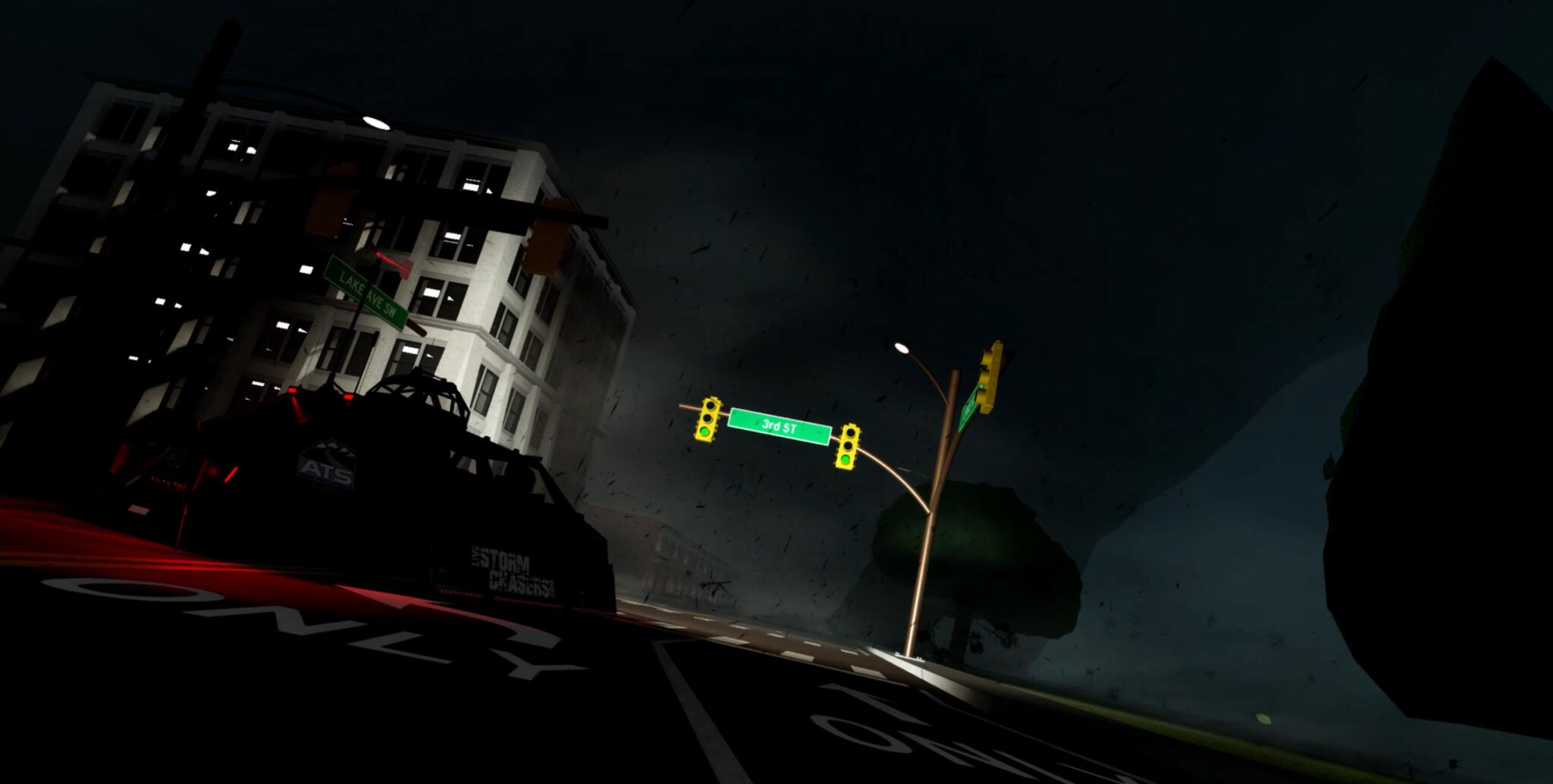
Twisted Roblox: How to Record Thin Tornadoes Efficiently
Master the art of storm chasing in Roblox Twisted. Learn how to record thin tornadoes, track storm data, and capture high-speed wind events like a pro.
Published:
Table of Contents
Storm chasing in Roblox Twisted is an adrenaline-fueled experience where nature’s fury meets tactical precision. If you are struggling with "twisted roblox how to record thin tornadoes," you aren't alone; capturing these fleeting, high-velocity funnels requires more than just luck. Understanding how to record thin tornadoes is vital for players who want to build a reputation as the ultimate storm chaser in the Keysota region.
Beyond just chasing, documentation is the key to unlocking the depth of this weather simulation. Whether you are aiming to track a rare stovepipe or a high-end wedge, learning the mechanics of recording helps you analyze thermodynamics and wind speed data effectively. Let’s dive into how you can document your most impressive captures and why precision matters.
The Importance of Documentation in Twisted
In Twisted, storm chasing is about more than just survival; it is about gathering data. By learning how to record thin tornadoes, you create a tangible history of your adventures. This is important because the game’s dynamic weather engine generates storms with unique thermodynamic profiles, making every chase a one-of-a-kind scientific event.
Recording these storms—especially the elusive thin ones—allows you to compare your wind speed data against community records. When you capture a clear, thin funnel, you are not just taking a screenshot; you are documenting a high-intensity meteorological event.
Why Players Value Thin Tornado Records
Meteorological Accuracy: Thin, rope-like tornadoes often exhibit high-speed wind spikes that are harder to track than larger wedges.
Rarity and Aesthetic: Many storm chasers prefer the "stovepipe" or "rope" phases because they offer the most visual clarity for high-speed intercepts.
Before you can focus on how to record thin tornadoes, you must be equipped with the right tools. A standard vehicle won't suffice if you plan on getting close to the funnel for precise data measurements.
Item
Purpose
Importance
Mesonet
Tracks pressure and wind speed
Essential for data logging
Storm Probes
Captures ground-level data
High risk, high reward data
Drone
Aerial visuals
Best for "thin" funnel tracking
Fast Vehicle
Intercept capability
Vital for chasing fast-moving storms
Optimizing Your Setup
According to community reports, the most successful chasers often pair their high-speed vehicles with drone cameras. Drones allow you to maintain a safe distance while capturing clear footage of the tornado's rotation. If you try to film from inside the vehicle, the heavy rain wrap often obscures the funnel, especially during the early rope-out stages.
Step-by-Step Guide: How to Record Thin Tornadoes
Recording a thin tornado is a delicate balance of timing and positioning. You need to be close enough to track the wind speed spikes but far enough to avoid getting "lofted" by the debris field.
Identify the Rotation: Use your radar to find the hook echo. Thin tornadoes often form on the leading edge of a mesocyclone.
Position Your Camera: Use the drone camera mode to gain an elevated perspective. This helps you distinguish the funnel from the surrounding rain curtains.
Deploy the Mesonet: Once you are within 500 yards, drop your probes. This provides the "ground truth" data for your record.
Capture the Footage: Start your recording software just as the funnel touches down. Focus on the base, where the ground scouring occurs.
Log the Stats: Immediately write down the peak wind speed recorded by your sensors before the tornado dissipates.
Avoid the Rain Wrap
Thin tornadoes are frequently obscured by heavy precipitation. If you lose sight of the funnel, rely on your radar’s base reflectivity to "see" through the rain.
Tracking Data: The Difference Between Storm Types
Not all tornadoes are created equal. Players often confuse thin tornadoes with smaller vortices within a larger multi-vortex system. Understanding these differences is key to becoming a master chaser.
Tornado Type
Visual Characteristics
Best Recording Angle
Rope/Stovepipe
Thin, vertical, highly defined
Side-profile (wide shot)
Multi-Vortex
Multiple small funnels dancing
Aerial/Drone (top-down)
Wedge
Massive, wide, often rain-wrapped
Low-angle (to capture scale)
Why Visual Clarity Matters
When learning how to record thin tornadoes, the primary challenge is the "rope" phase. Because these tornadoes move quickly and change shape rapidly, a fixed camera position is often useless. You must learn to "lead" the tornado, parking your vehicle along its expected path to ensure the funnel crosses your frame at the optimal moment.
Common Mistakes to Avoid
Even experienced players make mistakes that ruin the perfect shot. Here are some common pitfalls reported by the community.
Parking in the Path: Trying to intercept a tornado on a narrow road often leads to your vehicle being picked up. Always have an escape route.
Ignoring Radar: Many beginners focus only on the visual. If you aren't watching the radar for new hook echoes, you will miss the formation of a new thin funnel behind the main storm.
Over-Deploying Probes: Placing too many probes in one spot can cause game lag, which ruins the immersion and your ability to capture smooth video.
Don't Get Lofted!
If your vehicle starts to shake or you see debris flying, it is already too late. Abandon your position and prioritize survival over the recording.
Analyzing Wind Speed Data
The true value of knowing how to record thin tornadoes comes when you analyze the data. During the intense storm seasons, wind speeds can spike unexpectedly. Use the following table to categorize your recorded data based on typical game mechanics.
Wind Speed (MPH)
Intensity Category
Damage Potential
100-130
EF1-EF2
Moderate (Tree damage)
130-170
EF3
Significant (Structural damage)
170-200
EF4
Devastating (Homes destroyed)
200+
EF5
Incredible (Total destruction)
By keeping a personal record, you can build a portfolio of your most successful intercepts, much like the top players in the Roblox Twisted Wiki community. This adds a layer of competitive progression that goes beyond the basic gameplay loop.
Frequently Asked Questions
Q: Does recording thin tornadoes yield more money in Twisted?
A: While direct payment depends on your probes, high-quality documentation and sharing your findings can help you earn community status and provide better evidence for extreme weather events.
Q: How do I keep my drone from being destroyed while recording?
A: Keep your drone at an altitude of at least 150-200 feet. Most debris is lofted below this height, keeping your camera equipment safe during the most intense phases of the tornado.
Q: What is the best time of day to record thin tornadoes?
A: Storms in Twisted are dynamic, but many chasers find that late-afternoon storms (in-game time) provide the best lighting for recording thin, high-contrast funnels against the darkening sky.
Q: Can I record thin tornadoes alone, or do I need a team?
A: You can absolutely record solo, but having a partner helps! One player can drive and maneuver the vehicle, while the other focuses solely on camera work and probe deployment. This is the most efficient way to capture consistent, high-quality data.