Uncovering the Twisted Roblox Iceberg: History and Secrets
Dive deep into the Twisted Roblox iceberg to discover hidden game lore, development history, and community mysteries. Explore the secrets of Twisted today!
Published:
Table of Contents
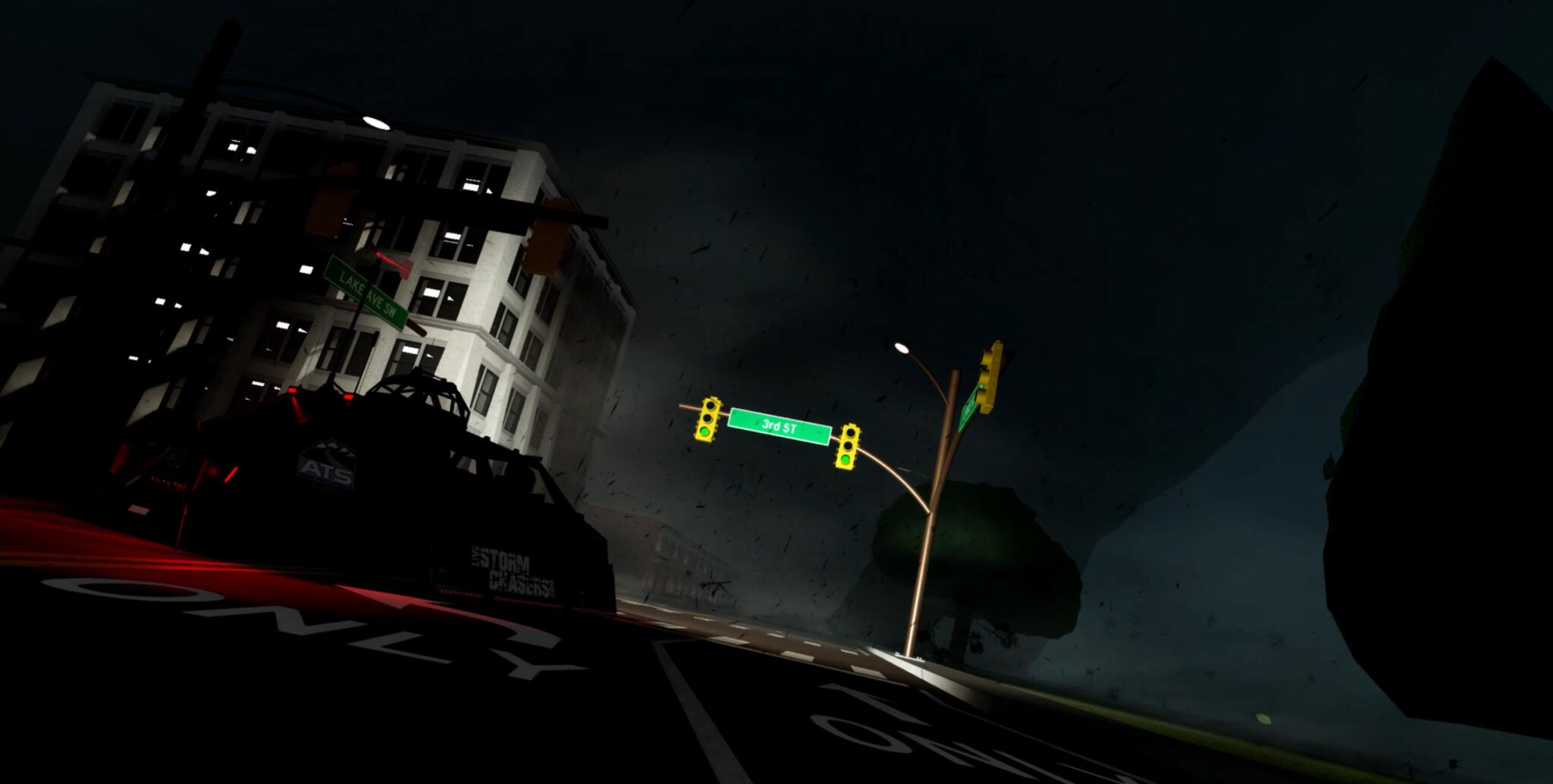
The world of Twisted on Roblox is far more than just a storm-chasing simulator; it is a complex digital ecosystem with a rich, sometimes dark, history. For dedicated storm chasers, understanding the Twisted Roblox iceberg is the ultimate way to peel back the layers of development, community drama, and technical anomalies that have shaped this title into what it is today.
Whether you are a new player or a veteran who has survived countless EF5 tornadoes, exploring the iceberg allows you to appreciate the evolution of the game’s mechanics. In this deep dive, we will navigate through the surface-level memes, the technical glitches, and the buried historical events that make the Twisted Roblox iceberg a fascinating subject for any fan of the game.
Understanding the Twisted Iceberg Concept
An "iceberg" chart is a popular way to visualize the depth of knowledge surrounding a specific media. In the context of the Twisted Roblox iceberg, the top represents common knowledge like basic tornado mechanics, while the lower tiers dive into forgotten updates, internal developer history, and obscure community incidents.
Why does this matter? For many, the game is simply about driving into storms. However, understanding the context—like why certain towns were removed or how the physics engine evolved—drastically changes how you approach gameplay.
Key Tiers of the Twisted Universe
Tier
Focus Areas
Complexity
Surface
Basic mechanics, towns, current updates
Low
Middle
Developer history, minor glitches, memes
Moderate
Deep
Community drama, historical incidents
High
Abyss
Real-world consequences, dark secrets
Expert
Surface Level: Mechanics and Geography
The most visible parts of the Twisted Roblox iceberg revolve around the core experience. Players often spend their time in the four largest towns: Hazelton, Hibbing, Veroa, and Wadina. Each of these locations offers a unique layout designed to withstand even the most violent tornadoes.
One common point of confusion for beginners is the distinction between the EF-scale and the in-game color-coded TV icons. It is a frequent community joke that newcomers mistake pink TV icons for EF5 ratings. To clarify, these are simply different estimation systems.
Essential Intercept Vehicles
Choosing the right vehicle can be the difference between a successful probe and a lost car. According to community experience, the choice between the Dominator 3 and the Tiff 2 usually boils down to playstyle.
Vehicle
Strength
Best Used For
Dominator 3
High Speed
Rapid deployment and aggressive chasing
Tiff 2
High Threshold
Safer, slower intercept approach
Tiff 1
Moderate
Balanced general utility
Choosing your Interceptor
If you struggle with timing your deployment, the Tiff 2 is generally recommended by experienced players. While it has a slower deployment time, its higher survival threshold makes it more forgiving for those learning the ropes.
Middle Layers: The Evolution of Gameplay
Moving deeper into the Twisted Roblox iceberg, we encounter the "Golden Updates" of 1.18 and 1.19. These versions are often cited by veteran players as the peak of the game’s balance and atmosphere. Many fans remember 1.19 fondly for its chaotic nature, while 1.20 brought a massive revamp that split the community’s opinion due to technical performance issues.
Notable Historical Landmarks
Helma: A ghost town east of Prior Lake, heavily inspired by the real-world Picher, Oklahoma. Its lore-heavy environment, including toxic chat piles, makes it one of the most interesting locations to explore.
Trent: A town added in 1.18 as a satirical response to a Roblox moderator who unjustly banned the developer, Wilza. It remains a fan-favorite for its rough terrain and backstory.
Sylvia: A memorial town present since the game's release, featuring concrete slabs that honor a fictional tornado event in the game's timeline.
Technical Anomalies and Glitches
Part of what keeps the community buzzing within the Twisted Roblox iceberg are the recurring technical anomalies. Some are helpful, while others—like the "stalling glitch"—can be a player's worst nightmare.
The stalling glitch typically occurs on high-lag servers. If you jump out of your vehicle and jump back in, your character may become immobilized. The only known fix is to repeat the process.
Common Bug Analysis
300 MPH Glitch: An old 1.7-era bug where vehicles would stop interacting with tornadoes over 300 mph, allowing players to stand perfectly still inside a violent storm.
Risk Carrying: A controversial theory that thermodynamic variables could "carry over" from one server reset to the next, causing massive tornadoes to form unexpectedly. While debated, many believe it was simply an invalidation of day-one thermodynamics.
Community Culture and Lore
The Twisted Roblox iceberg isn't just about code; it’s about the people. From the "Soon" meme—a developer response to update requests—to the "227" joke regarding extreme in-game temperatures, the community has built a complex language.
One of the most profound aspects of the iceberg is how it archives the history of developer and creator conflicts. If you want to dive deeper into official updates and news, you can check the Official Twisted Game Page on Roblox.
Community Meme Tracker
Meme/Incident
Origin
Meaning
"Soon"
Developer reply
A joke about the unknown release date of updates
227
Discord joke
A reference to extreme, meme-worthy temps
Toffee
Community joke
A play on the developer "Tofu"
Big Brother
1984-inspired bot
A chaotic server-wide event that was later removed
The Darker Depths: History and Consequences
As we reach the bottom of the Twisted Roblox iceberg, we enter a territory defined by serious incidents. Unlike the lighthearted memes at the top, this section involves accounts of moderation issues, stream hijacks, and, in some rare instances, real-world consequences that led to permanent bans for staff members involved in severe misconduct.
These deep-tier topics serve as a reminder that Twisted is a major social structure. The "Great Fall of Blah Blah" and the moderation overhauls following staff abuse cases are integral to the game’s history, even if they aren't discussed in casual gameplay. Understanding these events provides a clearer picture of how the community’s moderation policies have evolved over time to keep the game safe for all users.
Frequently Asked Questions (FAQ)
What is the significance of the Twisted Roblox iceberg?
The Twisted Roblox iceberg serves as a historical record of the game’s development, community evolution, and technical growth. It helps players understand the "why" behind current game mechanics and removed features.
Are the town names in Twisted based on real places?
Yes, many are. For example, Helma is based on the ghost town of Picher, Oklahoma, and the fictional state of Kota is a mashup of Minnesota, Florida, and Wisconsin geography.
Which version of Twisted is considered the best?
Many long-term players point to 1.18 and 1.19 as the "Golden Updates." These versions are often praised for their balance, lighting quality, and distinct storm structures, though 1.21 has successfully addressed many of the issues found in 1.20.
How do I deal with the stalling glitch?
If you experience the stalling glitch, the community recommends immediately jumping out of your vehicle and back into the seat. It is a common frustration, but it is the fastest way to regain control of your character during an intercept.